





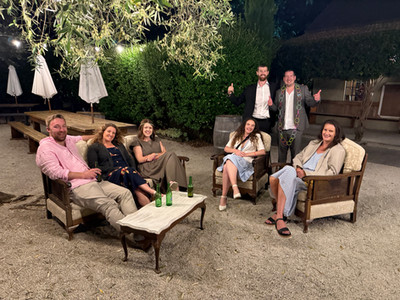


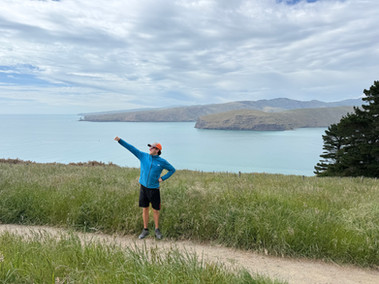










































































































After the absolute whirlwind of living and working in Japan, we were excited to point our compass back toward the Southern Hemisphere. Our first stop was back to Christchurch for a friend's wedding, which was such a highlight. It was the first time we had seen the majority of our NZ friends since our own wedding, so it felt like one giant, joyous reunion.
Stepping off the plane, it was an adjustment going from Japanese culture back to life Down Under. The culture shock was real, but honestly, the biggest adjustment was realizing just how low-tech Western toilets are - no heated seats, built-in sound effects, and customized water sprays!
One of the major perks of locking in a job in Australia was that it also gave us the chance to come back to New Zealand to regroup. We used this time for a bit of a soft start to our Aussie chapter before officially heading across the ditch. While we were in New Zealand, Jelley hit the ground running by working remotely, jumping straight into back-to-back meetings. Meanwhile, Luke was holding down the fort by preparing for our big move to Sydney and studying hard for another IT certification.
If you know us, you know our usual rhythm is to work extremely hard for long hours and endless days on a major project, and then take an extended period of time completely off to recover, travel extensively, and reassess our next move. This time around, we did the exact opposite. We dove straight from one massive gig into the next without a single breath in between. It is the number one thing Jelley always warns newbies in the major events industry about because the risk of burnout is so incredibly real. For some bizarre reason, she completely forgot to follow her own advice this time around!
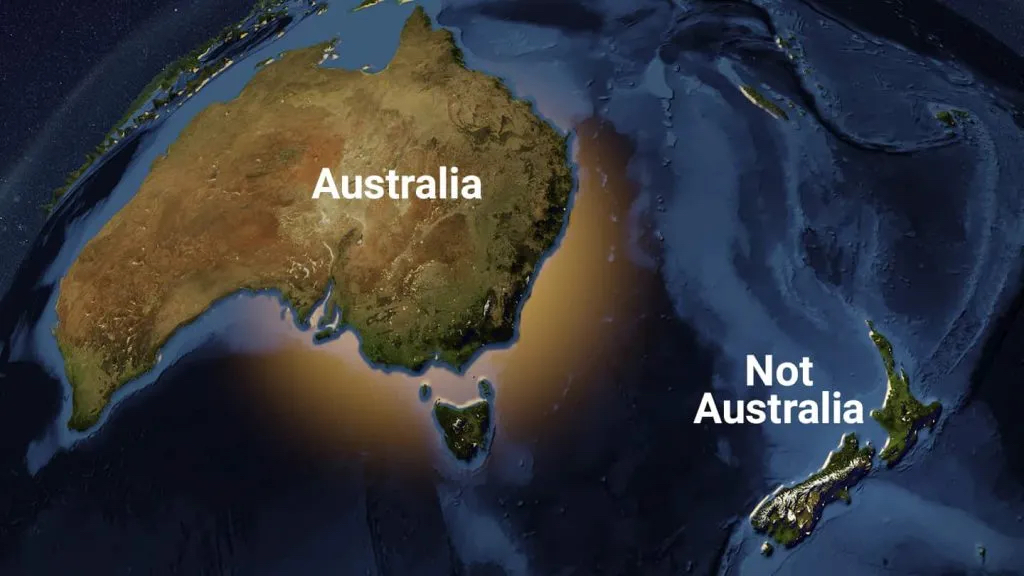
Even though Australia and New Zealand are right next door to each other and share a ton of cultural overlap, they are still, in fact, completely different countries. You cannot just rock up and start living without doing a bit of homework first. We had to dive deep into research to figure out the logistics of getting set up from scratch. Navigating new banking systems, getting tax numbers, transferring drivers licenses and sorting out health insurance felt like an admin marathon. A less glamorous part of international work. Despite Sydney being the closest major international city to New Zealand, neither of us had actually spent a lot of time there before, and we were intrigued to see what life would be like in this city of 5 million.
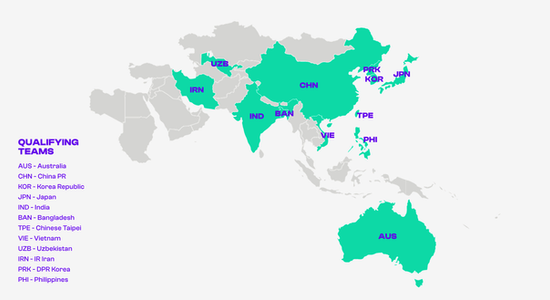
The main catalyst for the move was that Jelley scored an incredible gig working on the AFC Women's Asian Cup 2026. For anyone not familiar with the football (soccer) world, this is a massive continental tournament featuring the best national teams across Asia, competing not only for the title, but for qualifying spots for next year's FIFA World Cup. It brings together a fascinating mix of countries, including some you might not expect to see on the same pitch, including the Democratic People’s Republic of Korea (that’s the northern one), IR Iran and Bangladesh, along with the known powerhouses of Japan, China and Australia. While the tournament itself was spread across five different host cities all over Australia, the main headquarters were based right in Sydney, which is where Jelley was going to be stationed.
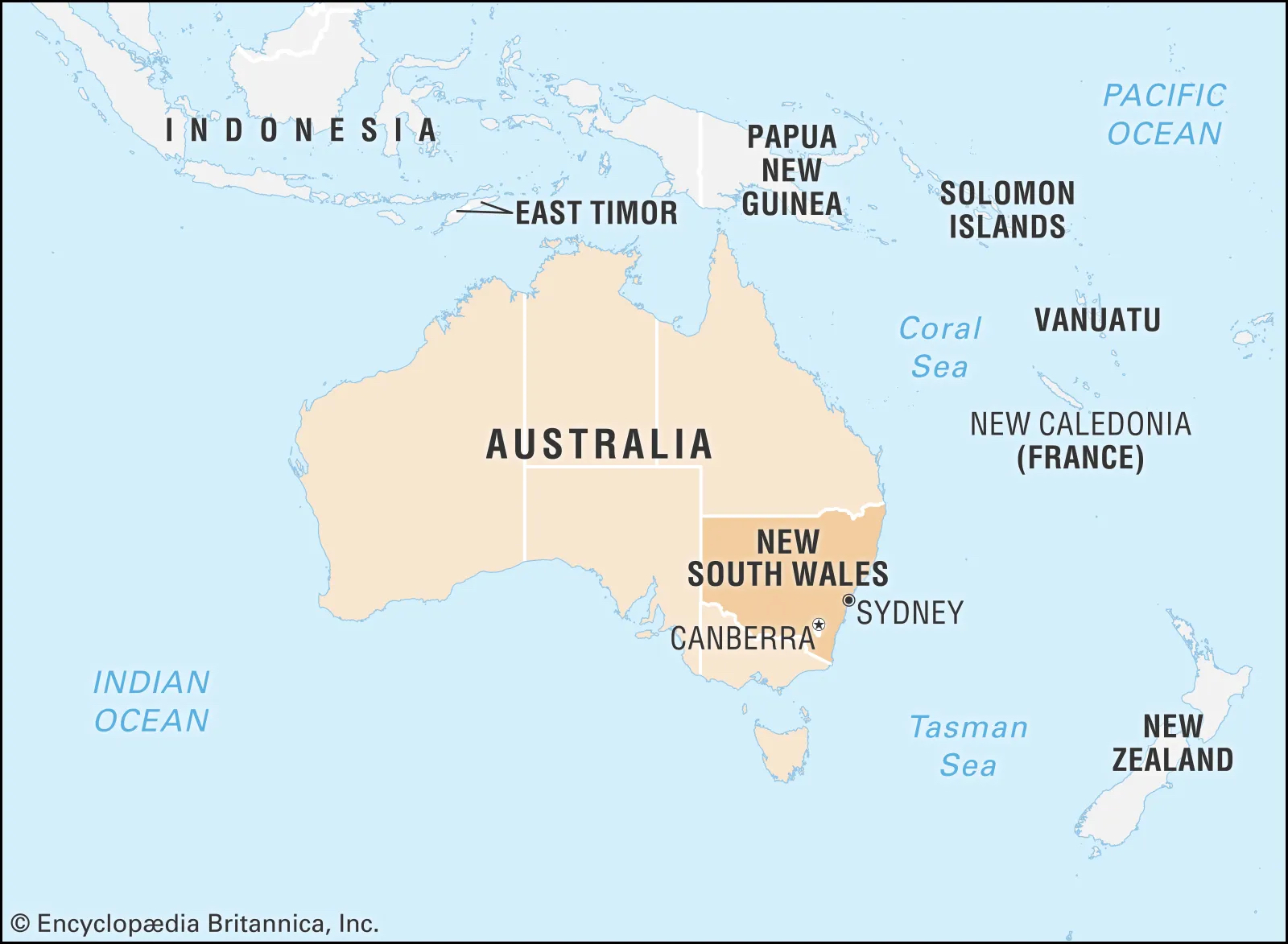
To give you a bit of geographical context, Sydney sits right on the stunning southeast coast of Australia. It is a massive, bustling international hub with a population of over 5 million people. It is also a city steeped in a layer of complex history, growing from its Indigenous roots and its days as an early British penal colony (prison) into the thriving global metropolis it is today.
We were excited to make the move “across the ditch” (aka the Tasman Sea) to Australia. For our home base in the, we managed to find a cute place in Little Bay, which is a beautifully secluded pocket tucked away in Sydney’s southeastern suburbs. We were sharing a house with the owner right near a gorgeous national park. Since we were living in a massive global city, we made the executive decision not to buy a car. We figured that a city of that size would surely have a highly effective public transport system, right? It had worked wonderfully for us when we lived in Osaka, so we were about to put that theory to the test in Australia.
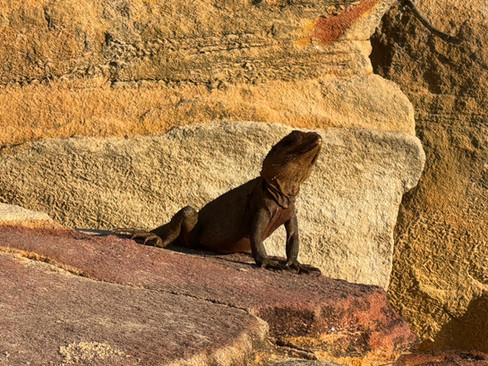
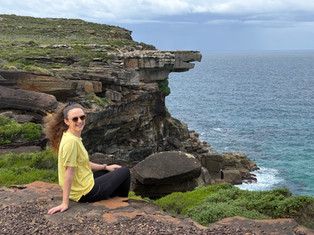
There were many perks to living right next to Kamay-Botany Bay National Park, which is a brilliant, little-known pocket located just below the famous Bondi and Maroubra Beaches. Stunning coastal walks, secluded bays, and great local coffee shops surrounded us. However, the most surprising thing about our new neighborhood was definitely the sheer number of noisy birds.
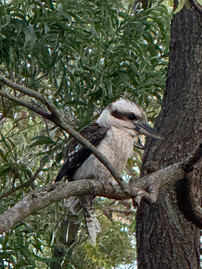
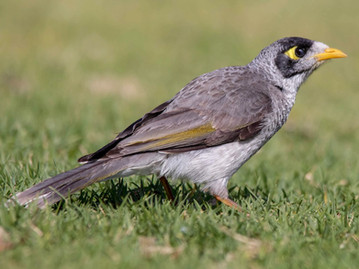
They would wake us up every single morning the second the sun started to rise, which routinely encouraged us to leave the house for an early beach walk before getting ready for the working day. Our absolute favorite was the laughing kookaburra, and the cheeky white cockatoos were a very close second. Our least favorite had to be the noisy miners, which is an incredibly apt name for its annoying, high-pitched screech.
A short walk down the road from us was La Perouse, bursting with local history and character. There is a strong Aboriginal connection to this area, and it continues to be home for a large population of Aboriginal people. In more recent history, for generations of Sydney families, Sunday afternoons meant heading down to the La Perouse Loop to watch the legendary “Snake Man” show at Cann Park. It is this iconic, fenced-in grass pit where handlers have been pulling highly venomous eastern browns and tiger snakes out of canvas bags since the early 1900s, completely captivating crowds just inches away. Right nearby sits the beautiful old 1882 Cable Station building, which now houses the La Perouse Museum. This spot was once Australia’s only communication link to the rest of the world, serving as the terminus point for the underwater telegraph cable running straight across the Tasman Sea to New Zealand! And of course the beachside suburb wouldn’t be complete without the most iconic fish & chips spot called the “boat shed” which was a local favourite of ours.
Our weekend routine also included the local Kamay parkrun, a weekly five-kilometer community event held every Saturday morning over at Yarra Bay Beach a short 5 minute walk from our apartment. Running or walking that slightly undulating two-lap course past the historic market gardens was the perfect way to earn our morning coffees at cute local cafes on the weekends.
The crown jewel of our little neighbourhood in Sydney had to be Bare Island, a spot that actually got its name from Captain Cook back in 1770 when he noted the “small bare island” in his logbook. It sits right off the coast of the suburb of La Perouse which itself was named after the French explorer Jean-Francois de Galaup, Count of Laperouse, who sailed into the bay in 1788 just days after the British First Fleet arrived). Both names stuck for some odd reason
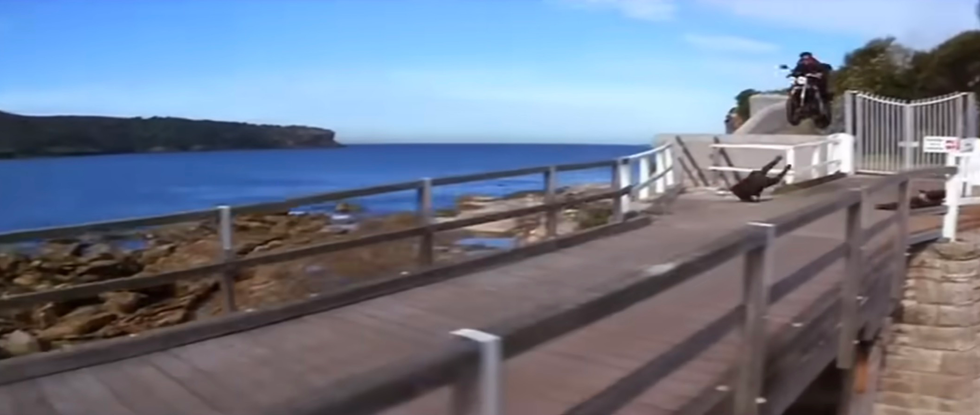
We drove and walked past this historic islet and its striking wooden footbridge dozens of times before we finally booked an official tour to see inside. The massive fort on the island was built in the early 1880s to protect Sydney’s “back door” from a feared Russian invasion, using state-of-the-art concrete and heavy artillery to guard the entrance to Botany Bay. It was cool to stand on the historic batteries, which also happened to serve as the villain’s high-tech island fortress where Tom Cruise’s action sequences were filmed for the climax of the 2000 film Mission: Impossible 2 (link here)
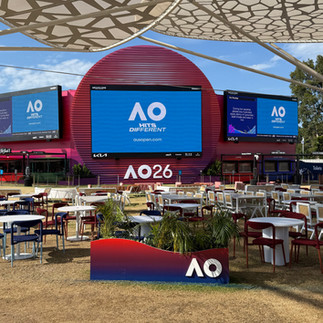
While Jelley was getting accustomed to our new Sydney setup, Luke was locking in his own new adventure, signing up to work on the 2026 Australian Open tennis tournament down in Melbourne. The catch was that his role did not officially start until January. Sky-high logistical planning unfortunately meant we were going to have to kick off this new Aussie chapter by spending a few weeks apart from each other. It was a bit of a bummer, but we had done worse before.
Luke’s favourite activity while living in Sydney had to be the “rock pools”. There are over thirty of these natural swimming pools dotting the coastline of the city and beyond, with some being much more famous than others. The genius setup allows natural seawater and waves to fill the pools, bringing along seaweed and little sea creatures, and they are completely free for everyone to enjoy. Aussies sure do love their beach culture!
It was not just the Kamay-Botany Bay National Park that captured our hearts while we were there. The city is absolutely surrounded by nature, and we had a blast exploring as many national parks as possible during our time living in the area.
Some of our highlights included:
Ku-ring-gai Chase National Park: Where Jelley spotted a wild echidna for the very first time! An echidna is a small, spiny mammal native to Australia and New Guinea and is kind of like a porcupine.
Royal National Park: Australia’s oldest national park, featuring incredibly stunning cliff landscapes.
Blue Mountains National Park: Home to an epic blue-coloured valley floor hike and jaw-dropping viewpoints.
While they might not be official national parks, the coastal walks around Sydney were also world-class. Everyone has heard of the famous Bondi to Coogee walk, but a walking path actually wraps around almost the entire coastline. Our personal favorite was likely the Hermitage Foreshore Walk from Rose Bay to Vaucluse. We walked this one together during our final days in the city, and it offered spectacular views of the iconic skyline, turquoise blue waters, and a few secluded swimming beaches to cool off along the way.
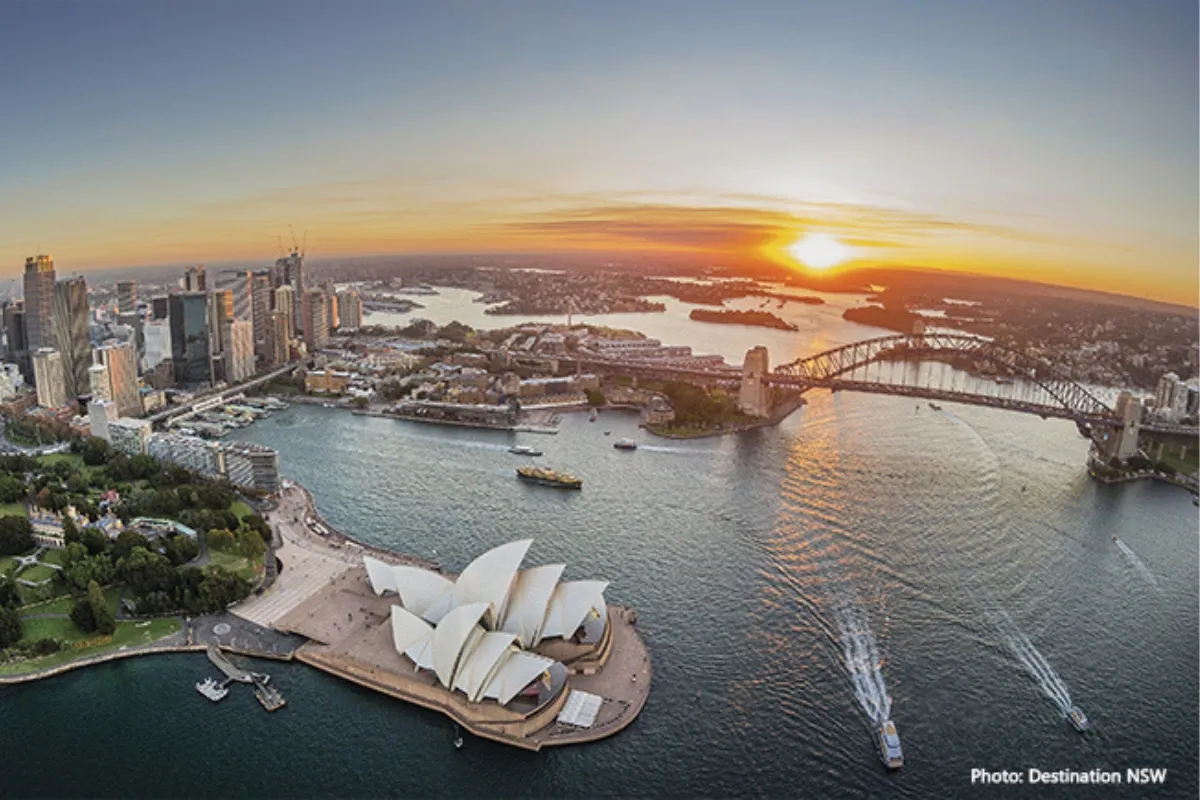
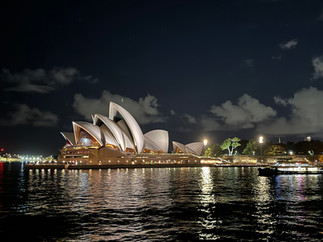
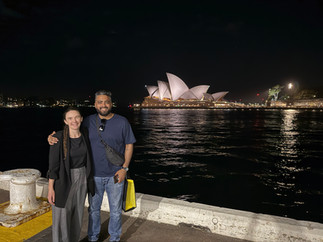
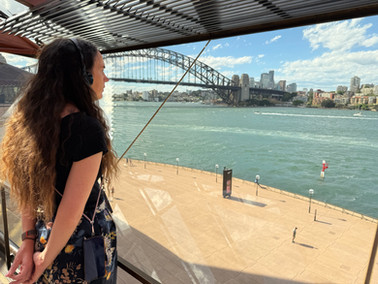
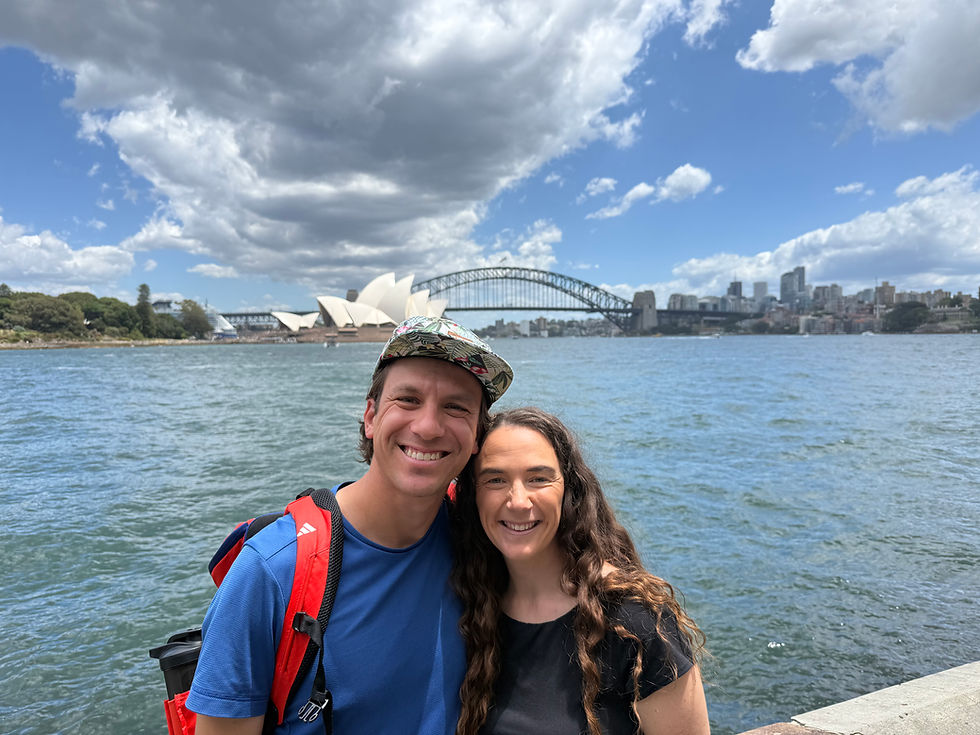
It was not only the nature that kept us entertained, either. Being such a massive global city, there was always something exciting going on. Our favorite place to take visitors or catch up with colleagues was right down by the Sydney Opera House, sharing a drink with that iconic building sitting in the background. Every single time we were down there we found ourselves completely enchanted by it. It was a constant reminder of what an amazing opportunity this was. Most people dream of seeing the Opera House for just a single day, and we had the ultimate privilege of living right down the road from it.
We were incredibly keen to attend a show inside the Sydney Opera House, but nothing quite struck our fancy with the timing. Instead, we opted for a guided tour of the interior. It was fascinating to learn about the history of the international design competition, the dramatic firing of the original architect, and the ongoing improvements ensuring the future legacy of one of the most recognizable buildings in the world.
This initial stint was really a soft launch into our new life, as we were only in Sydney for less than a month before returning to Christchurch for Christmas and New Year's at home. It was so special to spend quality time with family and friends and revisit some of our favourite local spots. We even managed to squeeze in a quick trip to the stunning Kaiteriteri with friends, which has long been a familiar and favourite piece of paradise for us.
Safe to say, New Year’s Eve looks a little different for us these days. We found ourselves counting down to a 6:00 PM celebration surrounded by six kids under the age of four! We had early mornign New Years Day flights booked back to Australia, with Jelley heading to Sydney and Luke flying down to Melbourne. It meant we would be spending our very first wedding anniversary apart from each other, but we smiled knowing we have many more anniversaries ahead of us.
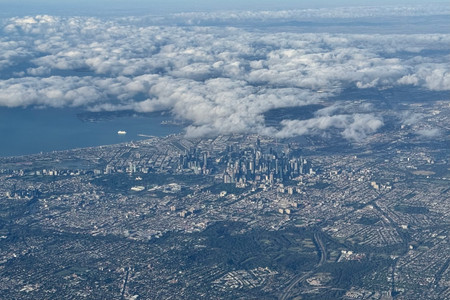
Luke had an absolutely wonderful time living and working in Melbourne for six weeks. The city itself has a really unique backstory compared to the rest of the country. Unlike Sydney, Melbourne was founded by free settlers and was one of the few major Australian cities that was never established as a penal colony. It was named in 1837 after the British Prime Minister, Lord Melbourne, though if you want to say it like a local, you have to drop the American “male-bourne” pronunciation entirely. Aussies completely soften the “r” so it sounds much more like “Mel-bun.”
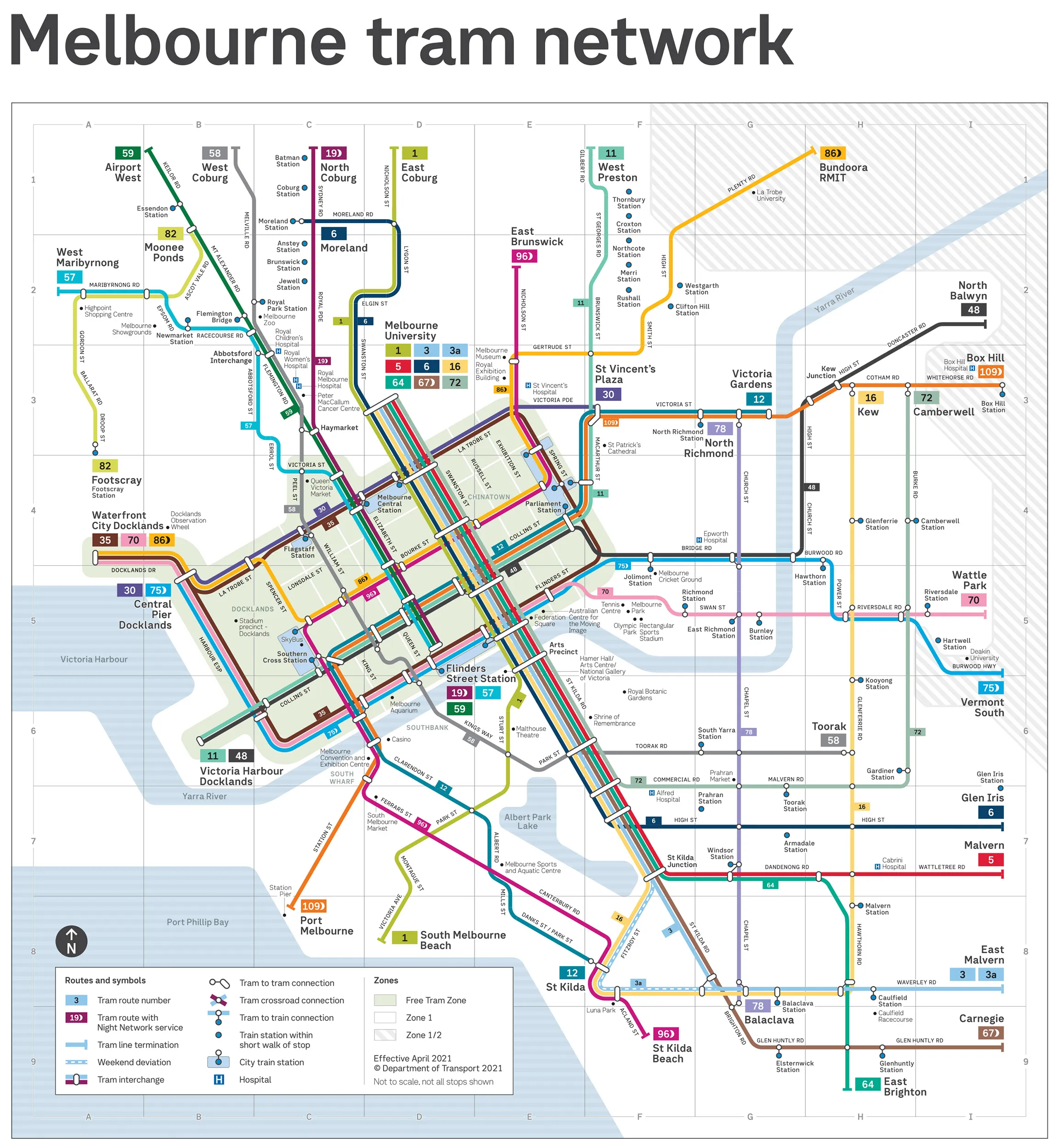
It actually served as the official capital of Australia for a period in the early 1900s before Canberra was built. Today, it is an incredibly efficient, logical city to navigate, largely thanks to its iconic grid layout and the fact that it boasts the largest operational tram network anywhere in the world.
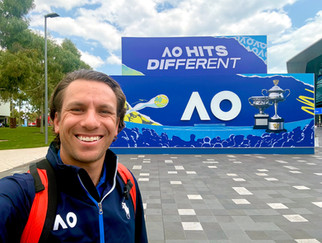
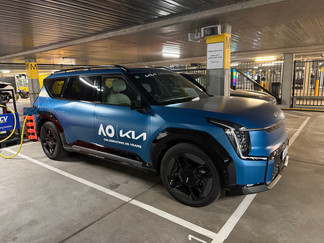
While there, Luke was working in tournament transportation for the Australian Open. To put it simply, the role was essentially operating a highly specialized, private Uber service for the players and their families. Tennis players are massive global celebrities, meaning standard public transit or regular rideshare apps are out of the question for security and logistics. Grand Slam tournaments solve this by providing custom, private rides. The players would call up the transport desk, and Luke would dispatch a private driver in a brand new, all-electric Kia, the official tournament sponsor, to take them wherever their hearts desired.
The coolest part about the whole experience was that Luke grew up playing tennis and watching the sport as a kid alongside his grandma and grandpa. Participating in such a monumental event carried a lot of sentimental value and felt incredibly special.
The entire Australian Open workforce was fantastic, made up almost entirely of hundreds passionate locals who return to work the event year after year. The transport team is particularly legendary for its loyalty, boasting an unbelievable 92% staff retention rate year over year. To give you an idea of how dedicated they are, one gentleman on the crew has returned to work the transport team every single summer for forty-five consecutive years straight.
Working the Australian Open was a massive departure from any of our previous event contracts. Most of our projects, involve starting completely from scratch in a brand new location with a brand new team every single time. The Open is entirely different because it functions as a highly successful, polished template that repeats annually. It is the exact same time, the exact same place, and largely the exact same team every single January. Because it is so beautifully consistent, Luke is crossing his fingers to get the opportunity to participate again next year.
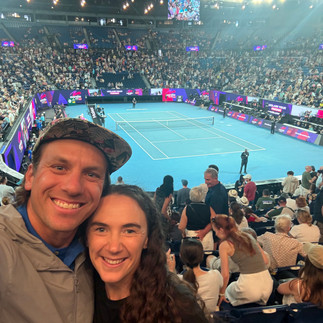
To wrap up the time in Melbourne, Jelley flew down for the final weekend to see what all the fuss was about, and it was epic to witness the tournament scale in person. Getting tickets to the actual men’s or women’s singles final matches proved completely impossible, as the going rate on the resale market was a wild $8,000 per ticket! Instead, we grabbed ground passes and got to see some incredible action, catching some fantastic doubles matches and watching several other elite singles players light up the outside courts.
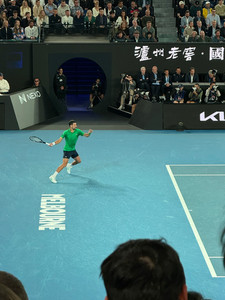
Luke somehow managed to make such a good impression on his team, that he was awarded a single free ticket to the men’s final which was Carlos Alcaraz vs Novak Djokovic. Unfortunately Jelley wasn’t as lucky and had to watch the final from outside the venue in the cold alone.
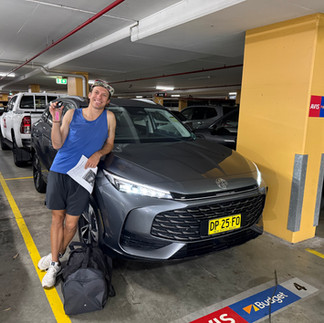
Immediately after the Australian Open wrapped up, Luke returned to Sydney to join Jelley in his own role with the AFC Women’s Asian Cup. It was an intense transition, and by day two we realized public transport was not going to cut it for his commute to the country’s largest stadium. Forty minutes by car versus two and a half hours by bus, light rail, and train meant we absolutely needed to rent a car.
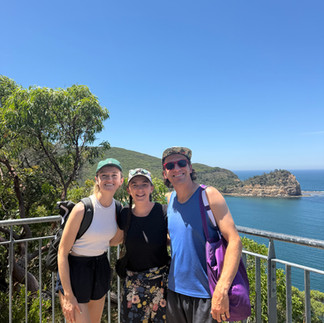
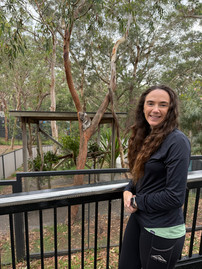
Having wheels greatly expanded our horizons (and improved our weekly grocery shops greatly!). On one of our last weekends before the tournament madness, we headed north to Port Stephens. Along the way, we stopped in the coastal town of Woy Woy to visit a friend of Jelley’s who had also recently returned from living in Japan. Our paths had not crossed there, so it was fantastic to catch up and walk their favorite local coastal trail together.
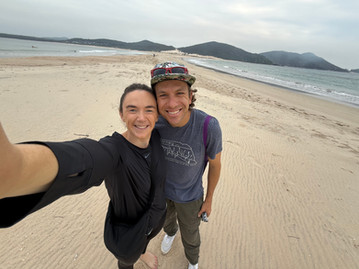
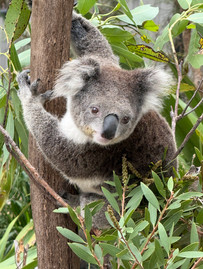
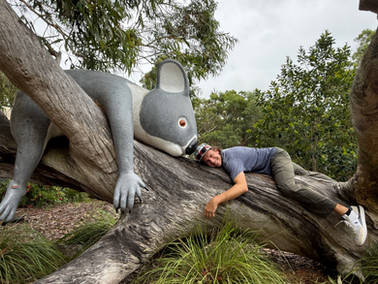
The main goal for our trip to Port Stephens was to see one of Australia’s most recognized icons: koalas! We visited a local sanctuary that exceeded all expectations, and we loved getting up close to the gorgeous rescued animals. We also squeezed in some quality time together after a month apart, walking across a sandbar to an island with a lighthouse at low tide and taking in the stunning viewpoints.
Soon enough, work got crazy and our adventures went on hold as we went all-in for the final months of the project. This tournament was a unique challenge. Because Australia had recently hosted the FIFA Women’s World Cup, the expectations were sky high. We were both in management roles and quickly thrown into the chaos of event time, an environment we actually love and thrive in, though the older we get, the more sleep we seem to need to keep up with the pace.
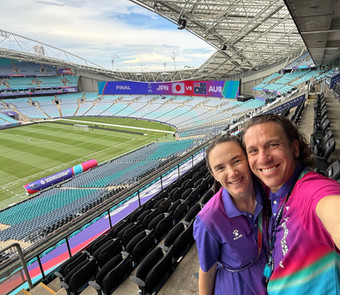
Jelley was leading a team based across three different states and cities, making a quick planning trip to the Gold Coast before departing to Perth to support the opening match. The massive travel distances and time differences across the country were a challenge, so she was happy to spend the remainder of the tournament centrally in Sydney. Even though Luke was also based in Sydney and we were living together, it felt much like our experience at the Euros in Germany where we were like ships passing in the night. Luke had to be at the stadium by 6:00 AM daily, while Jelley had a later start at the central operations centre in the city, often returning home around midnight. It was still entirely worth being on the same project, and toward the end we thoroughly enjoyed seeing each other at the same stadium for the final match. The final was a sellout match of 80,000 people to see Australia vs Japan. Japan ended up taking trophy which felt very fitting for us.
It was a total rollercoaster filled with growth and leadership opportunities. A real highlight was the people we met along the way, including local event professionals who had worked on the Sydney 2000 Olympic Games. It was a novelty to be among the youngest in the workforce after being the older ones in our roles in Japan. We were completely spent by the end of it, very aware of the long, continuous stint it had been from World Expo straight into this tournament. While tempted by other major international events on the immediate horizon, we determined to stick to our values and take an intentional break together to continue our travel adventures.
With just one week left in Sydney to pack up our lives and say our farewells, we had time to tick off a few final bucket-list experiences. We are not big TV watchers, but one show we randomly started following as an escapist break from our work routine was Australian Idol. Toward the end of the season, we saw an ad that it was filmed in Sydney and that we could be in the audience for free. Unfortunately for us, the studio had moved out to the suburb of Rooty Hill, far out west of Sydney. We took the trek by train and watched the Top 6 filming live. Jelley recalled a similar experience as a child in the audience of New Zealand’s Got Talent, knowing all about the endless standing and seating ovation scenes that needed to be filmed, but it was Luke’s first time experiencing a live TV production. Unfortunately, our favourite Kalani didn't take the title.
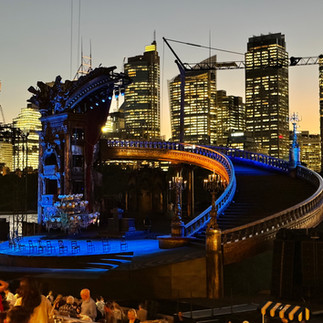
Another absolute highlight was watching Phantom of the Opera, performed on a spectacular floating stage in the Botanic Gardens with the Sydney Opera House as the backdrop!
We also made time for one last nature adventure before leaving New South Wales, traveling south to experience wombats in the wild. A wombat is a stocky, burrowing creature native to Australia that looks a bit like a small bear. We read that a local campground was home to these nocturnal marsupials and went to check it out. The Pacific Ocean was especially rough on our coastal drive, making for an epic stop at the Kiama Blowholes before we headed inland.
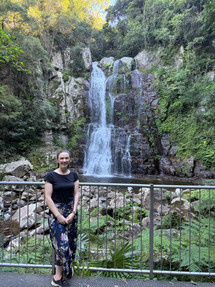
Sure enough, at sunset as we strolled around the campsite, the wombats came out. The first one absolutely startled Luke by its size, as we both thought they were much smaller. They are such interesting, odd, but cute creatures. A couple of kangaroos also called the campground home, and it was great to see them alive and thriving in the wild. On the way back, we stopped at multiple waterfalls including Fitzroy Falls that were arguably even more impressive than the famous Blue Mountains, and we had them completely to ourselves!
We were officially ready to fully decompress, switch off Microsoft Teams, emails, and WhatsApp, and explore a completely new part of the country. Next stop: flying to Adelaide to pick up a car and drive straight north into the Red Centre of Australia.
Until Then,

- A Kiwi and A Cali


I love the wombats! And all the other things! Do you get to keep all the clothing from the events? Or are you sick of them by the time they end :-) Love reading your adventures and may you have many more!! xxxx